
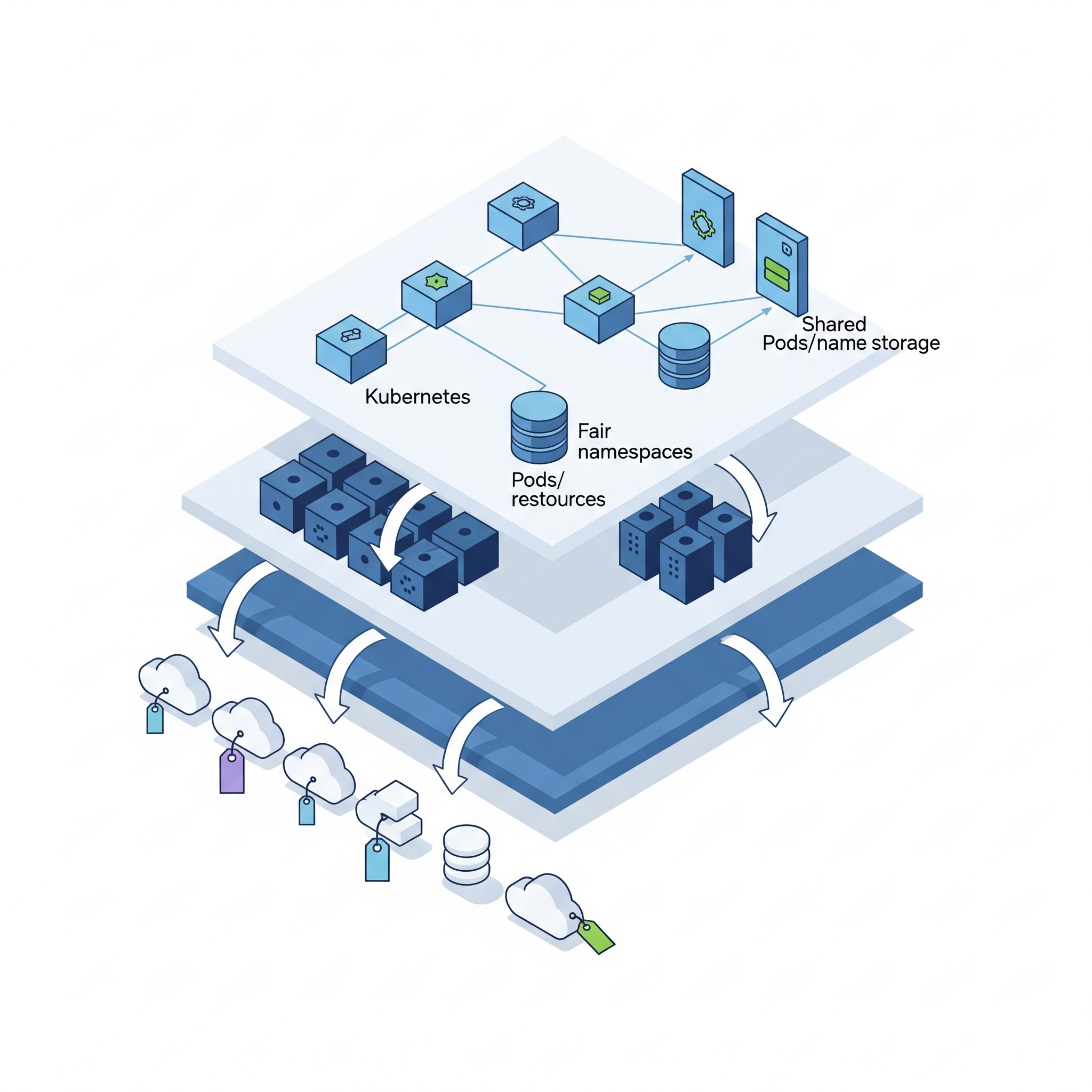
Effective cloud cost allocation is the foundation of any successful FinOps practice. Without it, you can't perform accurate show back, implement chargeback, or empower engineering teams with accountability. However, simply relying on resource tagging is a strategy that's doomed to fail. Tags are manual, often inconsistent, and can't be applied to every type of cost (like shared resources or data transfer). A mature approach requires more sophisticated cloud cost allocation strategies.
Level 1: Basic Tagging (The Starting Point)
What it is: Applying key-value labels (e.g., team: payments, env: prod) to your resources.
Pros: Simple to start.
Cons: Incomplete coverage, inconsistent application, doesn't work for shared costs. It's a necessary first step, but it will never get you to 100% allocation.
Level 2: Business Mapping & Hierarchies
What it is: Using a finops platform to create logical groupings of accounts, tags, and resources that reflect your business structure. For example, you can group all resources with the tag project: new-feature into a single, reportable business unit.
Pros: More accurate and flexible than tags alone.
Cons: Still struggles with untaggable and shared costs.
Level 3: Advanced Allocation for Shared & Container Costs
What it is: This is the gold standard, especially for modern architectures. It involves using a tool that can intelligently distribute the costs of shared resources (like a multi-tenant database or Kubernetes cluster) based on actual consumption.
How it works for Kubernetes: For effective EKS cost allocation, a tool must look inside the cluster. It measures the CPU and memory consumption of each pod, namespace, and deployment in real-time and allocates the cost of the underlying nodes proportionally. This is the only way to accurately assign costs in a containerized environment.
For finops for engineering teams to truly succeed, you must provide them with data they trust. Moving beyond basic tagging to an advanced allocation model is the most critical step in building that trust and fostering a culture of cost accountability.
All in One Place
Atler Pilot decodes your cloud spend story by bringing monitoring, automation, and intelligent insights together for faster and better cloud operations.