
For a CFO, unpredictability is the enemy. One of the biggest challenges in the cloud era is the shift from fixed, predictable IT budgets to a variable, consumption-based model. Accurate cloud spend forecasting is no longer a "nice-to-have"; it's a business necessity for financial planning and protecting margins.
Why Traditional Forecasting Fails in the Cloud
Traditional forecasting methods, like taking last month's bill and adding 5%, are completely inadequate for the cloud. They fail to account for:
Seasonality: A retail business will have drastically different cloud usage in December than in February.
Business Growth: As your customer base grows, your cloud costs will scale with it.
Product Launches: A major new feature release can fundamentally change your usage patterns overnight.
Engineering Projects: Infrastructure migrations or new service deployments can cause significant, planned cost increases.
Building a Modern Forecasting Model
A modern approach to forecasting requires a cloud cost intelligence platform that combines historical data with business context.
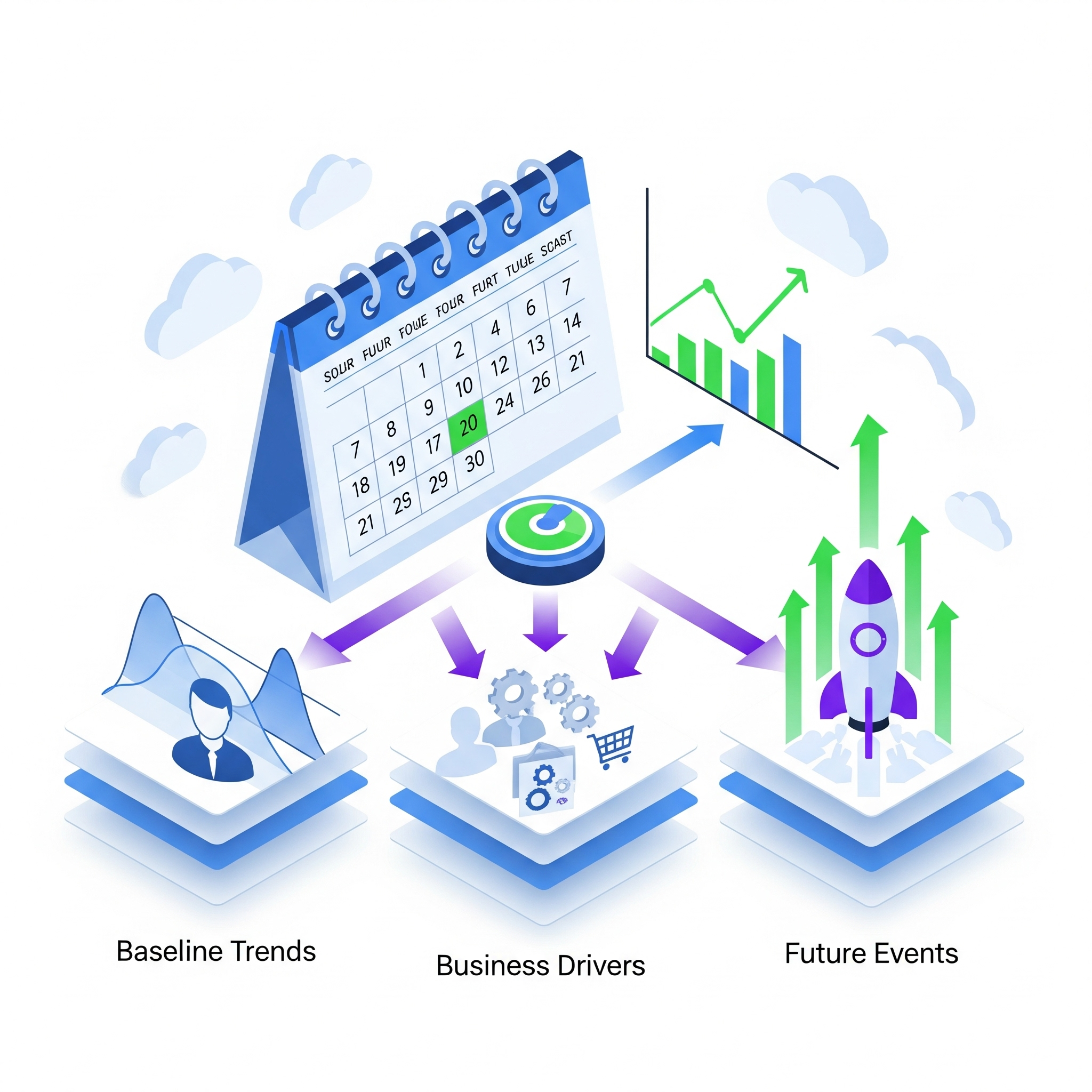
Establish a Baseline: The model starts by analyzing historical usage data to identify trends and seasonal patterns. It should be smart enough to exclude one-off anomalies (like a major cost spike) from the baseline calculation.
Incorporate Business Drivers: The forecast must then be layered with business context. This means integrating data from other systems to understand how metrics like new customer sign-ups or user activity correlate with cloud spend.
Model Future Events: Finally, the forecast must account for planned future events. This involves allowing teams to model the cost impact of upcoming projects, such as a new product launch or a migration to a different database.
By moving to an intelligent, data-driven forecasting model, you can transform your cloud budget from a source of monthly surprises into a predictable, strategic financial plan. This is a core tenet of a mature FinOps framework.
All in One Place
Atler Pilot decodes your cloud spend story by bringing monitoring, automation, and intelligent insights together for faster and better cloud operations.