
The Illusion of Point-in-Time Compliance In the traditional enterprise IT landscape, compliance was an event. It was a scheduled, highly stressful period that occurred perhaps twice a year. During this time, engineering freezes were instituted, security teams frantically ran manual scripts, and compliance officers gathered massive spreadsheets of evidence to prove to external auditors that the infrastructure adhered to specific regulatory frameworks, such as SOC 2, HIPAA, or PCI-DSS. Once the audit was successfully passed and the certification was achieved, the organization exhaled, and standard - often less rigorous - operations resumed. In the modern era of elastic, multi-cloud computing, this "point-in-time" approach to compliance is not just outdated; it is a critical vulnerability. The fundamental nature of cloud infrastructure is continuous change. When DevOps teams are deploying infrastructure updates dozens or even hundreds of times a day across AWS, Azure, GCP, and Oracle environments, a compliance audit that was conducted on a Tuesday is completely obsolete by Wednesday morning. A single line of altered Infrastructure as Code (laC) can unintentionally open a database to the public internet, downgrade an encryption protocol, or remove a mandatory billing tag. If your security posture is only verified during scheduled audits, you are effectively flying blind between those events. This creates a massive window of exposure where misconfigurations can lay dormant, waiting to be exploited by malicious actors or penalized by regulatory bodies. The enterprise reality is stark: compliance is no longer a checkbox exercise. It must be a continuous, unbroken state of operational discipline.
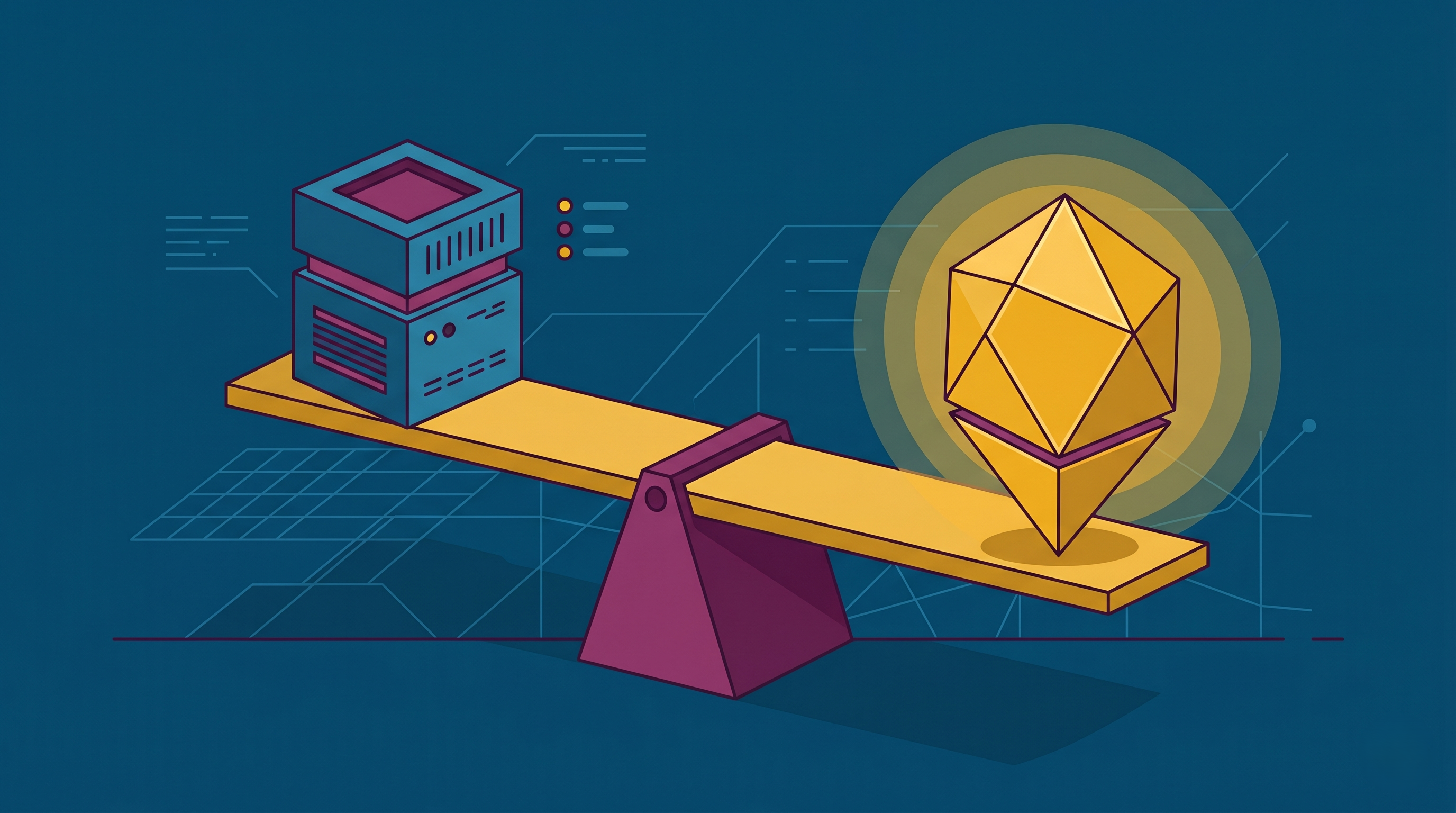
The Friction Between Engineering Velocity and Security The shift toward continuous integration and continuous deployment (CI/CD) has revolutionized how software is built and delivered. Developers are empowered to provision their own infrastructure, bypassing the traditional IT procurement bottlenecks. While this autonomy is the lifeblood of modern software agility, it inherently clashes with traditional security methodologies. When security teams rely heavily on detective controls systems that alert you after a misconfigured resource has already been deployed they become the organization's bottleneck. A developer pushes code, the detective control flags a compliance violation a day later, and the security team opens a Jira ticket mandating a fix. The developer must then stop their current sprint work, context-switch back to the previous deployment, figure out the required security remediation, and push a patch. This reactive workflow creates immense friction. Developers view security as an impediment to velocity, and security teams view developers as reckless liabilities. To resolve this standoff, organizations must change the architectural paradigm. You cannot rely on human intervention to manually enforce complex compliance rules across thousands of ephemeral cloud resources. The enforcement must be codified, automated, and embedded directly into the deployment pipeline.
The Power of Automated Guardrails The solution to the agility-versus-security dilemma is the implementation of automated policy guardrails. Guardrails fundamentally alter the operational posture from reactive detection to proactive prevention. Atler Pilot is engineered to embed policy guardrails directly into your cloud architecture to ensure continuous compliance across cost, security, and operations - not just at audit time, but at every single stage of change. This means defining the absolute boundaries of acceptable infrastructure states and relying on the platform to mercilessly enforce those boundaries without requiring human oversight. Unlike rigid, legacy gatekeeping that relies on manual Change Advisory Board (CAB) approvals, automated guardrails operate invisibly in the background. They allow engineering teams to move as fast as they want, provided they stay within the clearly defined lines of the track.
Preventative vs. Detective Enforcement A mature continuous compliance strategy utilizes two distinct but complementary types of guardrails:
Preventative Guardrails (Shift-Left Enforcement): Preventative guardrails are designed to stop non-compliant infrastructure from ever being provisioned in the first place. Atler Pilot achieves this by integrating directly into developer workflows and CI/CD pipelines. When a developer submits a pull request containing Terraform or Kubernetes manifests, the platform intercepts the code and evaluates it against the organization's centralized policy engine. If the code attempts to deploy an unencrypted RDS instance, the deployment is automatically blocked.
Detective and Corrective Guardrails (Runtime Enforcement): While preventative guardrails are the first line of defense, they cannot catch everything. Manual "ClickOps" changes made directly in the cloud provider console can still introduce configuration drift. Atler Pilot continuously evaluates infrastructure state using automated drift detection. If a network engineer temporarily opens an SSH port and forgets to close it, the detective guardrail instantly identifies the drift and can trigger context-aware corrective actions.
Context-Aware Policy Engines: Eliminating the Noise One of the primary reasons organizations struggle with automated compliance is the sheer volume of false positives generated by rudimentary security tools. A blanket policy that mandates strict multi-factor authentication (MFA) and encryption for every single storage bucket in the enterprise sounds secure, but it breaks down in practice. Imposing production-level encryption overhead on a bucket containing publicly available marketing assets is computationally wasteful. Atler Pilot resolves this through its Context-Aware Policy Engine. The platform understands that infrastructure does not exist in a vacuum. It assesses resource configurations, tagging compliance, and security posture based on deep environmental context. It differentiates between a production database holding PII and a staging database containing anonymized dummy data.
Ensuring Continuous Multi-Cloud Compliance Maintaining compliance in a single cloud provider is difficult; maintaining it across AWS, Azure, GCP, and Oracle simultaneously is an entirely different magnitude of complexity. Each cloud provider has its own unique IAM structures, networking paradigms, and terminology. Translating a SOC 2 requirement into an AWS IAM policy, an Azure Role-Based Access Control (RBAC) definition, and a GCP IAM binding requires immense specialized knowledge. Atler Pilot abstracts this complexity by providing a unified compliance framework. Security and governance teams can define a compliance policy once, and the platform automatically translates and enforces that policy across all connected cloud providers.
Conclusion: Security at the Speed of Cloud The era of point-in-time audits and manual compliance checklists is over. To compete in today's digital economy, enterprises must deploy code at unprecedented speeds while simultaneously operating under intense regulatory scrutiny. You cannot hire enough security engineers to manually review every cloud deployment. By leveraging Atler Pilot to implement intelligent, context-aware, and automated policy guardrails, organizations can finally decouple engineering velocity from security risk.
All in One Place
Atler Pilot decodes your cloud spend story by bringing monitoring, automation, and intelligent insights together for faster and better cloud operations.