
The regulatory landscape for cloud infrastructure has shifted dramatically. With the European Union's CSRD (Corporate Sustainability Reporting Directive) now fully enforceable for large enterprises and the SEC's climate disclosure rules stabilizing, reporting Scope 3 emissions is no longer optional—it is a legal requirement.
For tech companies, the largest chunk of Scope 3 is often Purchased Goods and Services—specifically, the embodied carbon of the cloud hardware they rent. This post outlines the technical workflow for extracting audit-ready carbon data in 2025.
The Challenge: The "Black Box" of the Cloud
Scope 3 Category 1 (Purchased Goods) requires you to account for the emissions generated during the mining, manufacturing, and shipping of the servers you use. Cloud providers have historically provided this data as PDF summaries or proprietary dashboards, which are insufficient for granular auditing.
The variability is massive. A job running on an older Intel Skylake server has a different embodied carbon profile than one running on a new AWS Graviton4 chip. Aggregated monthly PDFs hide these details, exposing your organization to audit risks.
The Solution: Standardized Reporting via FOCUS 1.2
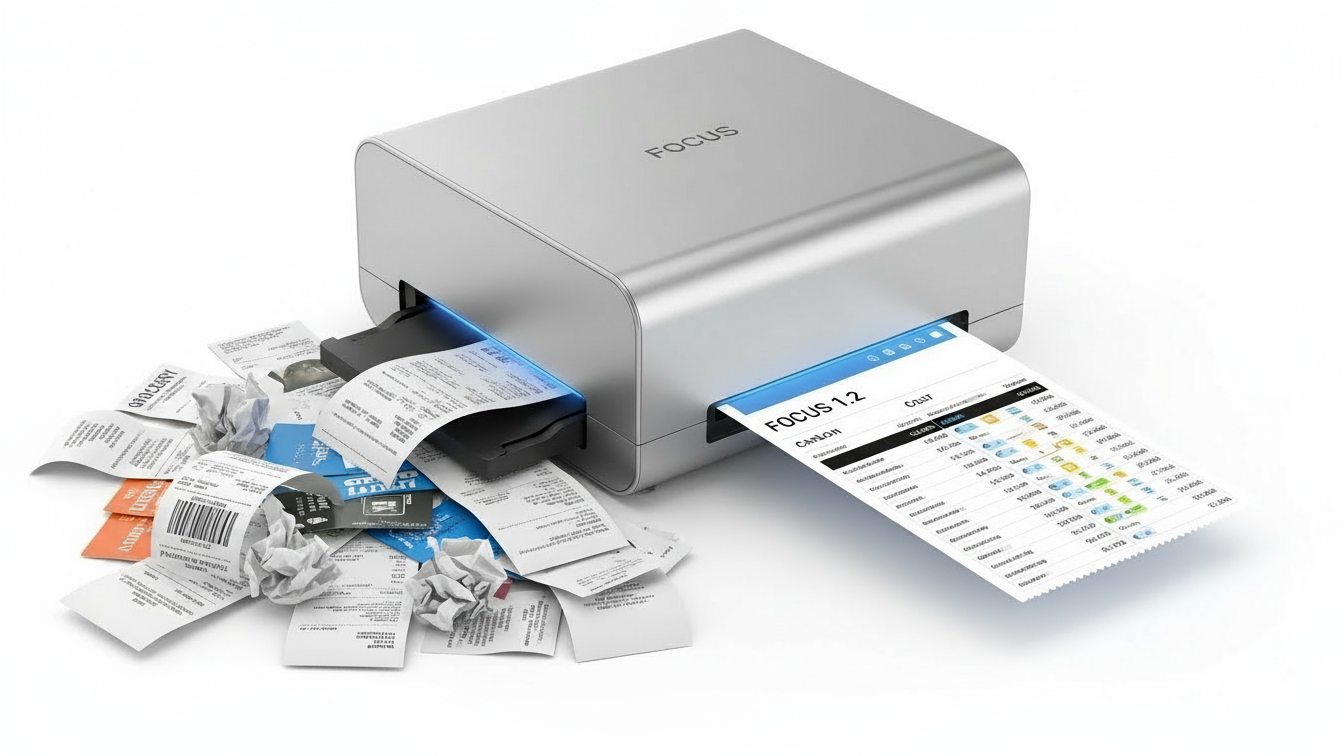
The FOCUS 1.2 billing standard has introduced normative columns for sustainability. This effectively turns your billing export into a carbon ledger.
Key Columns for Auditors:
x_CarbonEmission_Scope1: Direct emissions (e.g., diesel generators at the datacenter).x_CarbonEmission_Scope2: Electricity usage (market-based vs. location-based).x_CarbonEmission_Scope3: Embodied carbon of the hardware hardware.
Technical Workflow: From Billing to Report
To generate a compliant report, FinOps and Sustainability teams must build a pipeline that aggregates these columns by Legal Entity and Service Type.
Step 1: Ingest Data Pull the FOCUS 1.2 Parquet files from your cloud provider's S3/Blob bucket into a data warehouse (Snowflake/BigQuery).
Step 2: The Aggregation Query This SQL query groups emissions by the dimensions required for CSRD reporting:
SQL
SELECT
  BillingAccountName AS LegalEntity,
  ProviderName,
  -- Scope 2: Market-based is usually preferred for renewable claims
  SUM(x_CarbonEmission_Scope2_MarketBased) AS TotalScope2_MTCO2e,
  -- Scope 3: The embodied carbon of hardware
  SUM(x_CarbonEmission_Scope3) AS TotalScope3_MTCO2e,
  -- Efficiency Metric: Carbon per Dollar
  (SUM(x_CarbonEmission_Scope3) / SUM(BilledCost)) AS Scope3_Intensity
FROM focus_billing_monthly
WHERE ChargePeriodStart >= '2025-01-01'
GROUP BY 1, 2;
Validating the Data (The Audit Trail)
Auditors require traceability. Because FOCUS relates every line item to a specific ResourceId, you can prove exactly which servers contributed to the reported footprint. If an auditor asks, "Why is Scope 3 high in Q3?", you can drill down to see it was driven by a specific deployment of p5.48xlarge GPU instances for a training run.
Verdict: Compliance is a data problem. By treating carbon data with the same rigor as financial data—using the FOCUS standard—you satisfy regulators while gaining operational insight.
All in One Place
Atler Pilot decodes your cloud spend story by bringing monitoring, automation, and intelligent insights together for faster and better cloud operations.