
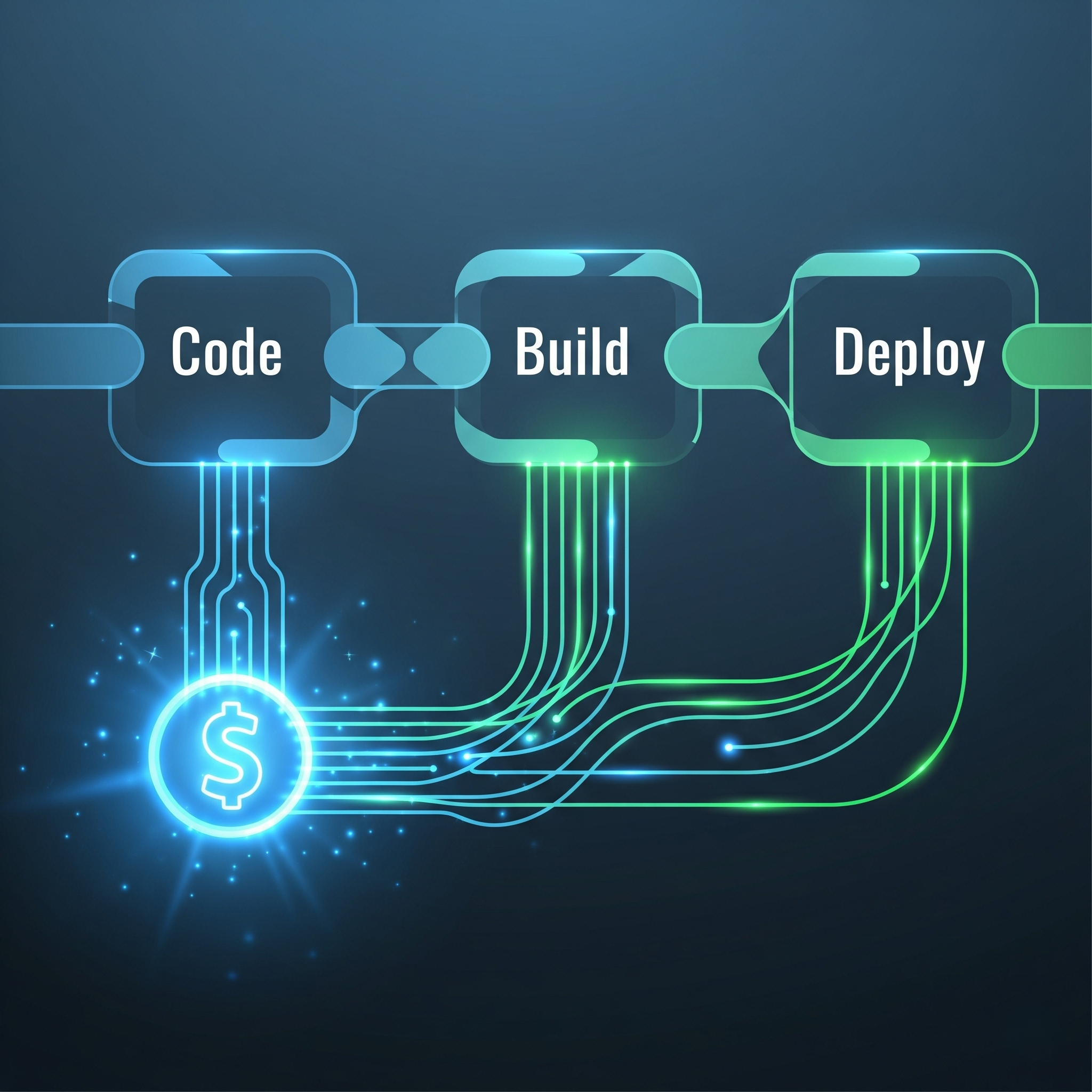
For many organizations, FinOps is a practice owned by a central team that analyzes the monthly cloud bill and sends recommendations to engineers to fix cost issues—often weeks after they occurred. This model is fundamentally reactive and creates friction.
A more effective approach is to
"shift left" with FinOps. This concept means moving cost awareness and optimization activities earlier in the development lifecycle. It's about transforming FinOps from a centralized reporting function into a decentralized, developer-led practice built on empowerment, not blame.
The Problem with a Centralized, Reactive FinOps Model
The traditional workflow is broken and inefficient:
Engineers build and deploy code, focused on features and reliability. Cost is an afterthought.
The cloud bill arrives a month later, showing a cost spike.
The FinOps/Finance team investigates and asks engineering for an explanation.
Engineers must stop their work and spend hours diagnosing a problem that is now weeks old.
This cycle is slow, creates an adversarial dynamic, and treats engineers as the source of the cost problem rather than the most powerful drivers of the solution.
What is a Developer-First FinOps Culture?
A developer-first FinOps culture is built on the principle that the engineers who write the code are in the best position to make cost-effective decisions. However, they can only do so if they are given two things they have historically lacked:
Timely, Contextual Cost Data: The ability to see the cost impact of their work in near real-time, in a context they understand (e.g., per-feature).
Control and Autonomy: The power to act on that data within their existing workflows, without needing a centralized gatekeeper.
This cultural shift redefines cost as a first-class requirement of software, just like performance, security, and reliability.
Key Practices for Shifting FinOps Left
Building this culture involves integrating cost intelligence into the tools and processes engineers use every day.
1. Embed Cost Visibility into the CI/CD Pipeline
This is the ultimate form of shifting left. By integrating cost estimation tools into the pull request process, developers can see the projected monthly cost of an infrastructure change before it is merged, making cost a mandatory part of the code review.
2. Deliver Real-Time Anomaly Alerts to Slack
Instead of waiting for a monthly report, use automated anomaly detection to identify cost spikes the moment they happen. Delivering these alerts to a team's Slack channel provides immediate visibility and allows for real-time troubleshooting. A well-designed alert will link the spike to a specific microservice and a recent deployment.
3. Provide Actionable, Performance-Aware Recommendations
Engineers are rightly skeptical of generic cost-saving recommendations that could impact performance. A developer-first FinOps platform must provide intelligent suggestions for right-sizing resources based on historical utilization data, saving money without introducing risk.
4. Democratize Cost Data
Make cost data transparent and accessible to everyone in the engineering organization. Provide self-service dashboards that allow any developer to explore the costs of the services they own, fostering a sense of ownership.
5. Establish FinOps Champions Within Engineering
Identify and empower "FinOps champions" within each engineering team. These are developers who are passionate about efficiency and can act as advocates for best practices.
The Benefits of a Developer-First Approach
Shifting FinOps left yields powerful benefits beyond just cost savings:
Increased Engineering Velocity: By reducing time spent on reactive investigations, engineers can focus more on innovating.
Improved Architecture: When cost is a consideration from the design phase, engineers are more likely to build inherently efficient systems.
Better Cross-Functional Collaboration: It breaks down silos between Engineering and Finance, creating a shared language and common goals.
Conclusion
The "shift left" movement in FinOps is about changing the relationship between engineers and cloud costs from a culture of blame to one of empowerment. By providing developers with the right data at the right time and in the right context, organizations can unlock their most powerful asset in the quest for cloud efficiency: the engineers themselves
All in One Place
Atler Pilot decodes your cloud spend story by bringing monitoring, automation, and intelligent insights together for faster and better cloud operations.